Archive for the ‘Uncategorized’ Category

h1

Jiro Dreams of Sushi giveaway

May 21, 2012

Sydney readers! I have been sent two double passes to give away to this beautiful-looking film, Jiro Dreams of Sushi, showing at the Chauvel in Paddington.

The first two readers to email me at info@charlottewood.com.au get the tickets! The following info comes from the film people – I haven’t seen it yet but will be racing to get to it as soon as possible.

JIRO DREAMS OF SUSHI is a quiet yet enthralling documentary that chronicles the life of Jiro Ono, the most famous sushi chef in Tokyo.

For most of his 85 years, Jiro has been perfecting the art of making sushi.

He works from sunrise to well beyond sunset to taste every piece of fish; meticulously train his employees; and carefully mould and finesse the impeccable presentation of each sushi creation.

Although his restaurant Sukiyabashi Jiro only seats ten diners, it is a phenomenon in Tokyo that has won the prestigious 3-Star Michelin review, making him the oldest Michelin chef alive.

JIRO DREAMS OF SUSHI chronicles Jiro’s life as both an unparalleled success in the culinary world, and as a loving yet complicated father of two. Jiro’s incomparable work ethic is the driving force behind JIRO DREAMS OF SUSHI, but the heart of this film is how that ambition has influenced his sons’ lives as well.

Eldest son Yoshikazu is the heir apparent to the sushi empire, but Jiro is not ready to retire or to relinquish any of his responsibilities. With a famous father guiding and critiquing every decision, Yoshikazu is unable to reach his fullest However, he is proud to learn from a true sushi master, thus revealing the inner struggle of how a dutiful son shows reverence to his father yet control over his own domain.

JIRO DREAMS OF SUSHI explores the passion required to run and maintain a legendary sushi restaurant, and one son’s journey to eventually take his father’s place at the head of the culinary dynasty.

h1

Lunch at our place

May 2, 2012

My beautiful nephew Henry Simmons made this book trailer for Love & Hunger – it pretty much represents the style of cooking and the emotional energy of  the book, and the way we like to eat round here. Casual, chaotic cacophony.

Thank you to Henry – and to the bookshops who are greeting Love & Hunger with such warmth and enthusiasm, like the wonderful Books for Cooks and Readings in Melbourne, and Collins Booksellers Cottesloe in Perth, the excellent Aussie online store Booktopia and my own beloved local indie, Better Read than Dead in Newtown, Sydney, who have made L&H their May book of the month.

h1

Oh, and a new site

April 6, 2012

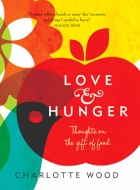
It’s only a few weeks until my new book  about cooking - Love & Hunger: Thoughts on the Gift of Food - is published. Exciting! The book now has its own (simple, but sparkly) new website – check it out here if you’re interested. It also has a page listing events where I’ll be talking about Love & Hunger in the coming months (sometimes along with my novel Animal People which has just been longlisted for this year’s Miles Franklin literary award – yay!)  Love & Hunger is published on April 30.


h1

Vegetarian vacation: the verdict

March 6, 2012

So here we are in March, and after a month of almost-vegetarianism, Senor and I have returned from our holiday from eating animals.

The experience of avoiding meat brought a few surprises, a few hiccups – you may recall my VegFeb fail on day one! – and some interesting insights into our food culture and my own cooking. So, in the tradition of our primary school reports of What I Did On My Holiday, here are some things we learned from our vacation in Vegoland.

1. I didn’t miss eating meat at all.

Not once. Never. This came as a huge surprise to both me and Senor, as of the two of us I have tended to be the most enthusiastic meat eater in the past (we’re always the ones that the waiter gets wrong when he brings a big rare steak and a piece of fish to the table – have you noticed how waiters tend to give meat to men as a matter of course??).

But, despite my fears that I would have at least one or two cravings for a juicy piece of red meat, it was in fact seafood I thought of most. And then only in the most passing way. Now, that said, in the name of conviviality we did eat animal flesh a few times at the houses of friends – a few mussels and pieces of fish, a couple of spoonfuls of chicken, and one mouthful of an incredible beef-rib rendang cooked by our friend Ricky Ricardo. There was also one restaurant meal for each of us where meat dishes were part of the deal. So we clearly did not actually go off meat for an entire month, and vegetarians will rightly pooh-pooh the whole experiment on that basis.

But that said, never once did I wish I had meat of any kind on my plate, including the night we dined at Porteno, a fantastic Sydney restaurant that most punters think only serves meat. But they have the best vegetarian menu I have seen in a restaurant, and I highly recommend it. Senor did sit very sadly by as a dish of incredible looking suckling pork & crackling wafted past him, but I had no desire at all to eat it. As well, despite my earlier decision that anchovies were to stay on the menu, I only ate them once and found it very easy to leave them out of everything after that.

2. I have never thought so much about food

Any regular visitor to this blog will have discerned that I am, if not fanatical about food, then pretty damn obsessed. I am the kind of person who wakes up in the morning thinking about what to cook for dinner – it’s utterly central to my life. But despite this, I found the need to actually think about nutrition – specifically, about where my protein was coming from – a little dreary. We ate fantastically well most of the time, but I did find it a teeny bit boring to have to account each day for protein, and a teeny bit repetitive to keep turning to tofu or eggs when the variety of protein available from an omnivorous diet is so much greater – you get tofu, eggs, dairy and all the seafood, chicken, red meat and pork as well. A proper vegetarian will tell you the accounting for protein becomes unconscious pretty quickly I think, but there was one day in the month where I found myself feeling a little out of sorts physically, and when I thought about it I realised we had eaten no protein that day. After that it became a much more conscious task – and when travelling, a bit of an annoyance (see next par).

3. Our culture still resists vegetarianism

We ate out quite a lot during February, for one reason and another. Many times presented no problem at all – such as at Porteno, as mentioned above, and when I ate the most incredible “Soft white polenta with Mossvale mushrooms, morel powder, truffled pecorino” among other things at the fabulous Diece e Mezzo in Canberra.

But these two restaurants are pretty high end, and places where the chefs clearly take an interest in making vegetarian food that is as complex and sumptuous than the meat dishes, if not more so. I think at such restaurants, the vegetarian options are often the pick of the menu because the chefs take pride in lifting their game on veg stuff. But at the cafe end of the market, you’re often pretty screwed. Vegetarian food as presented in cafes and many restaurants seems limited to stodge and cheese – risottos, pasta dishes with cheese, or a green salad. Or, there’s one veg option and every single cafe does it. I got tired – within about a week – of rocket salad with roast pumpkin, pine nuts and feta. It’s a shame, because I used to love that. But not three times in a week.

The other thing is that mid-priced cafes and restaurants still seem to view vegetarians as annoyances, and make almost no attempt to include protein in veg-based dishes. The attitude seems to be that you can go without it for one meal, which is completely fine – but if you’re travelling, as we were to Perth for four days, this means you can go days without having any protein included in a single dish. So you order lots of side dishes instead. All of this was perfectly fine for us, because it was a temporary thing, but jeez I’d get sick of it if I were permanently veg. No wonder the vegetarians I know eat at home almost always. As for being vegan and having a social life – I don’t know how they do it. I would be depressed and lonely – and hungry.

3. I am such a whitey.

One thing that really surprised me and that I’m a little shamefaced to admit, is how much I unconsciously plan the structure of meals with meat in mind. That is, the meals I tend to cook most of involve The Meat – and then The Rest. If you think about cooking roast chicken, lamb shanks, poached salmon and so on, those meals always have just as much vegetable content as meat, but the mental and emotional focus is on the protein, with the other things lovely accompaniments.

Our friend Silas has put his finger on this with one of his many witty aphorisms – when a couple cooks a meal together for other people, he says, it’s invariably the case that “The Protein Gets the Praise”. Our whitey culture – even with a big whack of Mediterranean influence – still focuses on meat as the centrepiece of a meal. And I was very surprised at how much I actually found myself searching for a focal point of a meal (like a frittata, say) at the start of our month. By the end I had almost let go of the tendency, but it was startling to realise how much the structure of a meal matters to me.

Of course almost all non-Anglo cultures don’t have this preoccupation – shared dishes are the norm in Asian, Indian, Middle Eastern and even Mediterranean meals – and I wonder how much this has evolved because many of these cuisines come from countries where poverty has been widespread and meat scarcely affordable. This little discovery of mine is obviously no big deal, but I kind of got a kick out of understanding that I even had this bias in the first place. That’s one of the things I love about cooking – finding out stuff about one’s culture and oneself.

4. Texture matters

I have always been a sucker for big textural variety in foods, but when you have no meat you really notice it, I reckon. A former vego friend of mine who now eats meat a few times a week said he realised that he had gone for years without ever using a knife – that virtually all their meals had been eaten from a bowl, with a fork.

That comment goes to the heart of a particular horror of mine – bowls of slop. When we were busy during February, and the fridge was full of bits of leftovers, we found ourselves on more than one occasion tipping all the leftover bits into a bowl. It was perfectly flavoursome, and perfectly nutritious. But there remained for me this sad glumness to the look, to the feeling, of the meal. Bowls of slop are not good for the spirit, no matter how nourishing to the body.

So during February, I found that nuts mattered to me more than ever, and I made new friends with pumpkin and sunflower seeds. And the squeaky salty delight of smoky, pan-fried haloumi was something I looked forward to a few times a week. Crunch, squeak and crispness in a mouthful of softness – divine.

5. So near, and yet so far: why I’m staying omnivorous

At the outset we said we would not refuse meat if it felt impolite to do so in the company of others, and so there were at least a couple of times of sharing plates in restaurants – such as my night out with lovely writer friends at Yen for Viet or Senor’s at an amazingly generous friend’s 50th birthday party at Tetsuya’s - when we were very glad not to be permanent vegetarians. Another time we met friends at the beach and they brought sushi, and other times our friends cooked magnificent meals at their homes which were seafood or meat-based.

If we had asked for vegetarian options to be included, or declined to eat any of this, not a single person would have been annoyed with us. We have extremely pro-vegetarian friends, many of whom have spent long periods as vegos themselves.

But we ourselves would have felt the distancing effect of it. In a culture where meat is so much a part of everyday life, especially in the sharing of food between friends and family, I just don’t have it in me to separate myself from my peers in the way that true vegetarianism requires. Michael Pollan, in his book The Omnivore’s Dilemma, articulates a similar feeling when he tries out vegetarianism for a little while.

“What troubles me is the subtle way it alienates me from other people and, odd as this may sound, from a whole dimension of human experience. Other people now have to accommodate me, and I find this uncomfortable. My new dietary restriction thows a bit of a wrench into the basic host-guest relationship. As a guest, if I neglect to tell my host in advance that I don’t eat meat, she feels bad, and if I do tell her, she’ll make something special for me, in which case I’ll feel bad. On this matter I’m inclined to agree with the French, who gaze upon any personal dietary prohibition as bad manners.” 

I don’t think it’s bad manners to be vegetarian at all – in fact I have nothing but respect for anyone who is, especially on ethical grounds.

But speaking purely personally, I just don’t feel comfortable asking other people to accommodate my diet in their homes, or in our shared meals. And so – while we will continue to eat lots of veg food, and I am convinced, much less meat from now on – we’ll be staying omnivorous.

But that said ….

5. Some of the best things in life are vegetarian

We ate some of the best meals I’ve ever cooked during our VegFeb. These included an Indian feast for six prompted by my long-awaited purchase of this wonderful Madhur Jaffrey book; a lovely Mediterranean lunch for seven people and many, many meals just for the two of us – including Senor’s further adventures with fermented blackbeans, tofu and his beloved Fuchsia Dunlop via her Revolutionary Chinese Cookbook, and my own homage to the Diece e Mezzo dinner with a mushroom ragu with creamy polenta eaten on the couch in front of the telly last Friday night. That might be my new favourite comfort food of all.

I finish this long ramble with a recipe for a Fraud’s Frittata. I have always been crap at frittatas, because I have always managed to burn them on the bottom before they’re cooked on the top. Today, in a fantastic vegetarian cooking class for four given at my house by the wonderful nutritionist and teacher Kathryn Elliott (a new blog post on that soon!) I learned that the reason for my failed frittatas is, as usual, my impatience and too high a heat.  Kathryn’s beetroot and dill frittata was just amazing, cooked the proper way, in and from the frying pan.

But at one lunch for friends during February I did make this fraudulent frittata, basically treating it as a quiche,  baking it in the oven and finishing under the grill. I did heat the pyrex dish in the oven first, to make sure the mix hit the dish hot. As you can see from the look of it, this frittata was a big, boofy thing full of flavour and punch.

Roasted Vegetable Fraud’s frittata – serves 8

  • Olive oil
  • 1 red onion, cut into 8 segments
  • 2 baby or 1 medium fennel bulbs, sliced
  • 2 small potatoes, thinly sliced
  • 1 cup silverbeet, stems finely chopped & leaves roughly chopped
  • ½ cup kalamata olives, roughly chopped
  • 8 eggs, lightly beaten
  • 2 tablespoons thick yoghurt
  • ½ cup marinated feta cubes, drained

Method

  1. Preheat oven to 200 degrees C
  2. Drizzle the onion segments and potato and fennel slices in olive oil and roast on baking sheets for about 20 mins or until well browned.
  3. Meanwhile, gently fry silverbeet stems in a little olive oil until soft, then add leaves and fry until wilted.
  4. Set potato slices aside to cool.
  5. In a bowl mix roasted onion, fennel and chopped olives with spinach and leave to cool.
  6. Lightly grease a pyrex or ceramic pie dish with oil and heat in the oven for a few minutes.
  7. Remove dish from oven and scatter half the potato slices over the hot dish.
  8. Add beaten eggs and yoghurt to cooled vegetable and olives, stir to combine well, then pour into hot pie dish.
  9. Push remaining potato slices into the egg and vegetable mix, top with feta and bake in oven for 20 minutes or until egg is just starting to set.
  10. Place under hot grill for 5 minutes or until top is puffed and golden, then remove and set aside to rest for a few moments. Serve immediately or at room temperature, cut into wedges.

Love to hear more about your own adventures in vegetarianism, how you keep it up, or how and why you went back to meat.

And I promise the next post will be short and sweet!

h1

The Veg Report

February 4, 2012

It seems a bit early to report on my first week as a vegetarian seeing as it’s actually only day four of our VegFeb month, but what the hell.  I am already finding it an interesting experience.

Day one was – well, a great big veg fail, because I omitted to read a menu properly.

Senor and I were at Sydney Theatre Company to see Never Did Me Any Harm (which we loved – I thought it was a beautifully original production and I loved the slipping and sliding narratives and use of dance and text as well as speech) and sat down for a quick bite from the cafe menu there at the Wharf.

I ordered while S found a table, and I found some good veg stuff on the menu including a mushroom bruschetta with shaved Parmesan, an oxheart tomato bruschetta, some warm olives and a fig & goat’s cheese salad. The bruschettas & olives were very good (although it’s lucky we are including anchovies in our almost-veg adventure, as unbeknownst to me some big fat delicious ones were in the tomato & pesto mix).

When the fig salad arrived, S looked at me as if I was crazy. ‘What are we going to do about that?’ he asked, pointing at the plate. There were a few halved almonds dotted over the dish. I put on my special Patient Voice and said, ‘Sean, nuts are fine for vegetarians.’

Then it was his turn to employ a special Voice for the Stupid:

‘I’m not talking about the nuts, I’m talking about the pig.’

And there it was – four large, pink and curling satiny ribbons of prosciutto nestled among the figs and the rocket and the goat’s cheese. How could I have missed reading this on the menu? And how did I miss seeing it on the plate!?? And why did I even think figs would be served without some kind of cured pork – especially given that it’s a particular favourite combination of mine?

If there had been a non-vego at the table it would have been easy – just make them eat the prosciutto and forge merrily on. But now we were faced with the dilemma – knowing that restaurant rules would surely mean this beautiful stuff was thrown away if we didn’t eat it, or sticking to our VegFeb plan. Of course we ate it, and it was delicious.  But it was an interesting lesson in how much more carefully I need to be reading menus in the next little while. I can’t bear the idea of being one of those people who sits asking waiters about every ingredient in every damn dish, though. Which is probably one of the reasons I know I’ll never be an actual vegetarian. But I will be more careful about thoroughly reading, rather than quickly scanning, menus for the rest of February. And we have added a new rule – if we eat meat due to menu stuffups like this one, or to be convivially polite at a friend’s house, then we add another day at the end of VegFeb. Easypeasy. (Which reminds me – mmmm, peas…)

But the rest of the week has been fun, and lordy we have eaten well.  The day after VegFail (at least I know I’m not alone. A pal of ours, also doing a VegFeb version but stricter – i.e. no anchovies – was forced to eat meat on her day one, when the burger restaurant where she’d arranged to meet a friend offered no veg options, which seems pretty hopeless!) we had several folks round for dinner. I marinated and roasted some chicken pieces for them, which we served along with:


And followed with a traditional Middle Eastern orange cake with yummy sweetened labneh.

The leftovers from these kept us going for lunches for a few days. Dinners this week have also included this chickpea & cashew curry, and this very tasty silverbeet tart, minus the bacon and plus some sunflower seeds as well as the pine nuts.

After a few days I jumped on the scales, curious to see how quickly my new meat-free existence was sending me to Svelte City – and I’d put on over a kilo. Hmmm.

This salad was one I made last weekend prior to official VegFeb start, inspired by the fantastic recipes in Heidi Swanson’s book Super Natural Every Day (I’ve now bought three copies of this book for friends as well as my own, for the originality and big flavours in the recipes) and the first Ottolenghi book, both of which I love to death. One thing I’ve noticed with both these books is how often vegetables for roasting are cut into quite small pieces – which is of course fab for getting that lovely fat and crispness to a lot more surface area, especially with otherwise quite soft veg, not to mention a greater caramelised flavour through the whole thing.

So this salad was basically a matter of using a quarter of a pumpkin and an eggplant from the fridge, both of which were starting to fade. And I had just stocked up on lots of nuts from the farmer’s market. As I sort of made it up as I went along I don’t have a proper recipe, but from memory these things went into it. Quantities don’t really matter in a thing like this, obviously – whatever you feel like doing works.

  • pumpkin, skin on, chopped into 2cm squares & roasted in a light spray of olive oil in a hot oven for about 20-30 mins or till caramelised
  • eggplant, ditto
  • pine nuts, lightly toasted
  • pistachios, lightly toasted
  • pecans, roughly chopped & lightly toasted
Once these were cooled and tossed together, I made a dressing of
  • maple syrup
  • olive oil
  • orange juice
  • 1 garlic clove, finely chopped
  • a splash of balsamic vinegar
  • chilli flakes
To be honest I think the dressing was a bit too acidic, so would probably do something about that next time. But it was still damn fine, and a bit of chopped coriander over the top finished it off nicely. We took some of that and a bit of other stuff round to some friends who had just moved house, so they had something other than takeaway to eat among the boxes that evening, and everyone was happy.

Now, I now you’re all great cooks with some fab veg recipes in your repertoire – don’t forget to point me to any particular favourites as I progress through the month.  I’m already excited about a couple of new things I’m trying this week – I’ll be back with further reports soon.

Oh, and PS: Just in case you’re interested, I have a piece on why and how I came to love oysters in the new (March) issue of SBS Feast magazine, which I believe is in the shops on Monday. I haven’t seen the final version yet, but because it is a kind of oyster love story it includes a photo of me and my beloved shucking oysters at our pals Jane & Brian’s place at New Year, which is kind of nice. Thanks to B for taking the pic. 
h1

Fish out of water

January 27, 2012

Our (almost) vegetarian adventure

Some of you already know about the culinary experiment I am forcing on Senor for February – the two of us are going veg for a month.

Last year it was Febfast, giving up the booze, which was a chore, to say the least. I expect to enjoy this February a whole lot more than last, for I have no doubt we will be eating very well indeed.

We’re trying out a version of vegetarianism for a few reasons, apart from my increasingly obvious lapsed-Catholic attachment to some annual ritual festival of denial – any other ex-Catholics out there with these weird lenten leanings?

First, I just want to see what it feels like to go without meat for a month, because I realised some time ago that I have never forgone meat (either red meat, or chicken, pork, bacon, chorizo, fish, seafood etc) for even one week, let alone a month. And even though I feel that we have cut down our meat consumption substantially, I took note of everything we ate while away last week – a holiday filled with delicious salads and veg dishes provided by excellent cooks – and realised that even then, not a day went by without some bit of animal flesh – fish, or ham, or chicken. So actually, the only thing we’ve really cut down on is red meat.

Second, I am hoping it will help us shift a few kilos of the blubber that returned rather insistently over the latter quarter of the year. As I said to Senor, I’ve never known a fat vegetarian, my eyes glazing over and mouth watering with images of all the butter and cheese (and organic ghee kindly delivered to our door by our friend Guy the other day!!) that we will be chowing down on. And then Senor most unhelpfully pointed out that we do know a couple of portly vegos, which sort of ruined my fantasy of the kilos dropping daily with zero effort on our part at all. But I still will be interested to see how it affects weight and general health and feeling of zinginess, to substitute meat with other things.

Third, I am keen to see what kind of a reboot my cooking repertoire receives from this change in routine. When I’m busy I, like most of us I’m sure, tend to fall back on the usual contenders for the evening meal – but this will force me to try new things and extend the range a bit, I hope. As well, one of the things I’ve always believed is that to make interesting, really flavoursome  veg food requires more effort than a meat diet does. And now I’m a full-time student (starting a PhD in Creative Writing, eek) I will be financially less well off but have more time and flexibility. If there is ever a time to do this, it’s now – in summer when salads are inspiring, when one doesn’t crave rich, stodgy food as I do in winter, and early in my studies when I can retain the illusion I have plenty of time to do everything.

Finally, there will be the nice fuzzy glow of knowing we’ve spared the lives of a few critters, but I can’t pretend that this is really high on the list of reasons. While in recent years I have thought a lot about my love of meat, and eating it has caused me guilt and unease, I have recently come to a position of moral acceptance that it’s okay to eat animals that have been humanely raised and which have not been made to suffer unnecessarily (hence shopping at Feather and Bone, and proper free range eggs and chooks and all that jazz that you probably all do as well). We’ve cut down a lot on red meat, as I’ve said, and become much firmer in a commitment to real free range pork and chicken (I think conventionally raised lamb and beef, in this country, have better lives than they do in wholly grain-fed operations like those in the US, and have better lives here than our pigs and chickens do, even accounting for beef being finished on grain), but we also try now to only buy red meat from either F&B for that reason. I do welcome any commentary on this, by the way, because I am always keen to hear more about ethical meat production.

All that said, and in noting that we’re only going veg, not vegan, we’re doing this with a few caveats in place.

The first and most important for me is that, while we’re telling all our friends and family about this trial and some have already booked us in for veg meals with them, we won’t be refusing meat at someone’s house if it feels rude to do so. Given that this is an experiment rather than a life choice, I won’t be imposing our vego status on our friends. And to me, conviviality and respect for the person who offers you food is as ethically important as respect for the life of an animal, as the fabulous Tammi Jonas has written about so eloquently here.  So there is bound to be the odd evening we eat a bit of meat rather than reject someone’s hospitality, though we’ll try as much as possible to minimise the chances.

Second – and this has no ethical basis whatsoever – I can’t give up anchovies. I just can’t. I love those little salty bombs as much as bacon, which I know I really will miss, for a hit of flavour in everything from chickpea salads to lamb roasts to onion tarts to antipasto. I completely accept the hypocrisy of feeling warm and fuzzy about a cow but not a fish, no matter how small. I hope I have never claimed to be free of hypocrisy (one of my favourite lines on hypocrisy is this, from the philosopher and psychologist Jonathan Haidt: “Stop smirking. One of the most universal pieces of advice from across cultures and eras is that we are all hypocrites, and in our condemnation of others’ hypocrisy we only compound our own.”  That came to me via Hal Herzog’s wonderful book Some We Love, Some We Hate, Some We Eat: Why It’s So Hard to Think Straight About Animals).

So now, in honour of our beloved salty little fishy bombs, and in farewell to meat for a month, I offer you this recipe which includes anchovies. It’s a very slight adaptation of a Neil Perry recipe from Good Weekend some time ago, and it is excellent. He used blue eye trevalla but as there was none when I went to our local fish market I bought royal basa and it was good. That said, next time I would try harder to buy a more sustainable fish, given the bloody ethical minefield that seafood shopping entails (god it’s tiring, isn’t it?).

I added chickpeas and zucchini to this to make it a serious one-pan dinner of gorgeousness. I also used dried rather than fresh oregano (just a teaspoon). Highly recommended with or without those additions.

This will be the last fleshy recipe from me until March – but I hope to be posting at least a few updates of how we’re faring throughout vegetableFeb.

Neil Perry’s Roast blue-eye trevalla with fennel & olives

  • 1 bulb fennel, finely sliced
  • 1 red onion, finely sliced
  • 2 tablespoons oregano, chopped
  • 2 tablespoons thyme, chopped
  • 60 ml olive oil
  • 1 red capsicum, finely sliced
  • 4 tomatoes, chopped (NP peels and deseeds, but I am too lazy for that and almost never do it)
  • 2 tablespoons capers, rinsed and drained
  • 6 anchovies
  • handful of olives
  • 1 tsp chilli flakes
  • 1 cup white wine
  • 4 x blue eye trevalla fillets – we used basa, but any firm white fish fillet would work
  • 2 tablespoons chopped parsley (I forgot this but it mattered not)
  • Additions: 1 can or equiv cooked chickpeas; 2 small zucchinis, chopped into 3cm lengths
  1. Preheat oven to 200 degrees C.
  2. Toss fennel, onion, herbs, capsicum, tomato, capers, anchovies, olives, chilli flakes together in a roasting tin. Pour the wine in and roast for about half an hour, or until the vegetables are soft.
  3. Add the chickpeas and zucchini and return to oven for 20 minutes or so until zucchinis are just tender.
  4. Nestle the fish fillets into the mix, drizzle with a little more oil and return to the oven for about 10 minutes or until fish is just cooked.
  5. Remove tray from oven, leave to rest for about five minutes and then serve a fillet on each plate, topped with the vegetable mix, garnish with parsley and season.

Any of you ever done the vegetarian thing? I’m very interested to hear about it if you have, and if you still are, what kind of foods you missed when you first gave up meat – and if you went back to meat, what tipped your decision…

h1

Lazy Sunday: weekend cooking

November 28, 2011

Sunday is my favourite day for cooking, especially as the weather warms up. It helps that the Addison Road grower’s and farmer’s market happens on Sundays, and is within walking distance from our house. My favourite Sunday morning involves a couple of lazy coffees and checking out the recipes in the weekend papers for any inspiration, then tootling off up the road with my big ol green Rolser (we have had this old workhorse for over a decade, and it’s done service as an off-road camping equipment buggy and firewood collecting vehicle, among other things – it’s completely indestructible!) to fill up with market goodies. 

I especially like Sunday cooking if I’ve been away as I have been a bit lately – last week at the fab Varuna, The Writer’s House where I got to hang out with some excellent writers and artists (like this and this and this) and make a start on my new novel (ugh). Then tomorrow I’m off again, this time to Melbourne (would love any of you to pop in to this event and say hi if you’re free?) and then away again elsewhere on the weekend.

What with all the coming and going, a good solid Sunday’s worth of messing about in the kitchen not only means a fridge full of lunch goodies for the week, but more importantly it just makes me feel right. It’s the best way I know to get that home-and-grounded feeling that makes me feel I’m in my right skin again.

Yesterday’s market haul included a couple of kilos of organic tomatoes, some hot smoked salmon, a few eggplants, a little bag of dutch cream spuds, a bunch of beetroot, some zukes, a couple of gorgeous-looking red capsicums I couldn’t resist, a dozen eggs, couple of bunches of kale, onions, six mixed lettuce seedlings and some olive oil soap. At other times I might stock up on nuts and dried fruit, maybe throw in some good bread and a bit of cheese or yoghurt. I like Marrickville market because it’s relatively pretension-free, though it is growing a bit crowded for easy strolling these days …

Anyhoo – once home I bunged on the boil the chickpeas and white beans that I’d had soaking since Saturday, and thought about what to do with everythign. First stop was to chuck the eggplants on the barbecue for some good smoky baba ghanoush, swiftly followed in the food processor by the chickpeas for some hommous (I never made good hommous until I struck gold with the lovely Fouad’s foolproof recipe here, which I use every time).

Then I bunged the beetroots and capsicum in the oven for roasting. The roasted, peeled capsicum I tore into strips and tossed in with a salad of chickpeas, garlic, herbs, lemon & oil, and the beetroot I made into the salad below.

With the kale, I made half a fantastic dish – it was pretty good, but as I failed to include a couple of crucial ingredients I don’t want to post it here until I get it right! Ever have those moments where you’re halfway through a dish and thinking, ‘This would be great if there was just a little crunch … oh, that’s right. In the recipe there is a little crunch…’ So stay tuned for that one, which I’m going to try again tonight I think – with all the ingredients this time!

All this stuff made for a lovely impromptu Sunday night dinner with our friend miss J, my sister and her bloke whose birthday it was last week. Miss J made an incredible beetroot and chocolate cake – fudgy, velvety and gorgeous – in honour of the birthday boy, and I roasted a nice organic chook and served all these veg things on the side.

The hit of the evening was the beetroot, both in the cake and in this walnut, beetroot and feta salad. I have till recently been a bit confused about walnuts – for some reason they, alone among all the nuts, invariably give me a small, unpleasant and instantaneous pain in the upper stomach as soon as I eat them. Don’t really understand this and am loath to investigate too much in case I am banned from eating delicious things – so my preferred tactic has always been to grin and bear it.

Recently, though, someone on Twitter – I can’t remember who, so if it was you, remind me! – suggested caramelising walnuts in balsamic vinegar. This not only makes some deadset delicious crunchy bombs of divinity, but weirdly seems to have eradicated the gutbusting pain on ingestion. Everyone’s a winner!

Roast beetroot, balsamic walnuts & marinated feta

  • 3 beetroots, roasted in foil for about an hour or until tender
  • handful walnuts (on advice from Saint Maggie Beer I keep all nuts in the freezer now to prevent rancidity & pantry moth)
  • olive oil
  • about 2 tablespoons good quality balsamic vinegar
  • sea salt & pepper
  • 1 tablespoon or two marinated feta (I usually have a jar of this stuff in the fridge but it would be a piece o’piss to make yr own – must investigate!)
  1. Preheat oven to 180 degrees.
  2. When beetroots are cool enough to handle, slip the skins off and cut into quarters or biggish chunks.
  3. Lightly toast the walnuts in the oven until just crisp but not coloured. As mine came straight from the freezer they took about 10 minutes but be careful not to burn them – burnt nuts are hideous and inedible. If your walnuts are whole, break them up a little with a wooden spoon.
  4. In a small frying pan over a medium heat, toss the walnuts in a little olive oil and the vinegar, cooking till the liquid has evaporated. Set nuts aside to cool for a few minutes.
  5. Toss the beetroot with the warm nuts, and season well with salt.

So there you have it. But I want to use walnuts more in cooking – I do love their superb crunch and slight bitterness – so if you have any walnut favourites let me at em. And what about your weekend cooking – get up to anything interesting? Do share …….

h1

Lawar love affair

October 9, 2011

Komang's pork lawar (with blood)Well hello everyone … I am hoping you haven’t all taken your pots and pans and gone home!

Apologies for my long absence; things have been a little overwhelming round here what with trips away and novels coming out and people being nice and whatnot (how’s that for some of the most flagrantly unsubtle self-promotion you’ve seen in a while!?).

You know, I’ve just realised something. Having a book published, even though I’ve done it five times now, is a very strange experience. It’s exposing and flattering (sometimes) and mortifying and exhausting in fast-moving waves. I’ve decided it’s  like being a five-year-old at your own birthday party – you run round shrieking look at me look at me look at me and then when everyone does you’re so hyped up on sugar and presents and nervous energy you feel like throwing up and burst into tears.

But as soon as I opened this page to start typing I felt a lovely calm descend upon me, and I thought, Ah, I’m home. That’s my realisation: that I feel at home here on this blog, and I’m determined to spend a bit more time here in the next while.

So last time I was here I was off to Bali for a week – and I have to say it was the most relaxing holiday I’ve ever had. We lay around reading, sleeping, swimming, feeling our winter skins slough off in the tropical weather, and generally managed what every holiday is supposed to feel like but hardly ever does – a wonderful rest from ordinary life. Serenity, peace, and stunning physical beauty (Bali’s, not ours – thank your lucky stars I am posting no pics of us around the swimming pool as proof). And, of course, absolutely wonderful food.

All the pictures here are of food cooked for us by the gorgeous Komang, our host at the villa we stayed in at Sanur (feel free to email me for details because it was just fantastic). I have never, never understood people who go to a country like Bali, dine out at terrible and expensive Italian and French and Japanese restaurants and then come home whining about how bad the food was. We only ate Indonesian food the whole time, and had almost no average meals at all, and certainly no bad ones. In fact the least pleasurable night involved one of the most expensive and chi-chi restaurants on the island, which describes its food as ‘contemporary Balinese’ – it was fine (and the wine was incredible) but we should have stuck to our instincts and the local cheapo joints, all of which were way more fun and generally much better food.

Probably my absolute favourite – among so many good dishes – was a new discovery, a dish called lawar (pictured at the very top). Komang told us his version was made with pork (“but only the skin”), coconut and spices. His was a red colour that I initially thought must be from red rice or just the cooking method, but found no rice in it and learned on our return that this must have been from the pig’s blood, which is often included in this lavish ceremonial dish. But lawar can be made from all kinds of different proteins - this blog here, for instance, says:

No big religious or private celebration would be held without serving this ritual dish. Only the eldest, and most experienced men are allowed to mix the many ingredients. Many versions incorporate raw pounded meat and fresh blood in the dressing. Chicken meat can be replaced with beef, pork, seafood, vegetables or young jackfruit. 

There are recipes for lawar all over the web, which seem slightly different but generally are variations on the same theme; and there’s a great video by Kitchen Insurgency about making it for a big Balinese family feast here. I believe lawar is particularly a Balinese specialty, not made in other parts of Indonesia unlike almost all the other food we ate – but does anyone know more about it than me?

On our return, I tried to emulate some of our favourite holiday dishes in an Indonesian spread for Senor’s colleagues who ran his business so magnificently in our absence – and the pork lawar, indeed, turned out to be the hit of the night with everyone. Sadly I don’t have any photos of it as we gobbled it all too quickly. But I  just used pork mince – no blood, you will probably  be relieved to hear – mixed with green snake beans and the spice paste and coconut. It had a lovely fresh green and turmeric-orange colour scheme going on, and tasted as fresh and vibrant as it looked.

The most time-consuming part is the spice paste, a version of which seems to be used for almost everything Balinese, or at least everything I made that night  (fish sticks, roast chicken in banana leaves, as well as the lawar, along with some stirfried kangkung and some bumbu- the lemongrass & chilli sambal Komang served with every meal). But after the paste is made, the lawar is really just a matter of a quick cook, squidge and mix. So my plan for next time is to make a giant batch of the spice paste and keep it in portions in the freezer, just as I do with chermoula, and then whack this dish together for a quick midweek burst of Bali whenever I get homesick for the sound of gamelan and the scent of tuberoses.

I ended up pretty much using this recipe from SBS Food, partly because I knew I’d be able to get all the ingredients locally. But I used pork mince instead of chicken, and also just dry-fried a cupful of coarse grated coconut (I keep coconut in the freezer, along with all nuts) instead of going to the trouble of cutting up a fresh coconut and roasting it. The result was great, so I don’t think I would do the hard-labour version anytime soon. Oh and I also didn’t find ‘lesser galangal’ so just used ordinary for the whole lot.

Now, any of you have a favourite Indonesian dish – or any dish you’ve eaten on holidays and tried to replicate when you got home? Love to hear more about it, or even better – give us the recipe.

It’s so nice to be back.

h1

Distractions, developments and nasi champur…

September 14, 2011

Hello everyone – this is a very brief hello to apologise for my absence here of late. The good news is that it has been because I was finishing a book about cooking that will be published next April by the wonderful people at Allen & Unwin. At this stage the title is Love and Hunger: Notes, Recipes & Thoughts on the Gift of Food, but that might change …

I’ve also been distracted by the fact that I have a new novel – my fourth – coming out (also with A&U) in a few weeks’ time. It’s called Animal People and you can find out more about it here, if you’re interested. Am getting a few weeny advance reviews which so far have been quite lovely.

But by far the most exciting news for now is that tomorrow I am off to Bali for a week with Senor and friends. All we have planned is lying around poolside and only getting up for reading, naps and a bite of nasi champur now and then.

 But on my  return, I plan to get well and truly stuck back into the cooking and blogging once again, so please don’t go away …

See you soon!

Cx

h1

The Big Frill

July 9, 2011

Adventures in Offal, Part I

For some time now I’ve been thinking the origins and illogic about my squeamishness about offal. This was prompted by my coming across a rather wonderful essay titled ‘Picky Eating is a Moral Failing’, by Matthew J Brown, in this book, Food and Philosophy.

Brown’s essay elegantly articulates the frustrations I usually feel when I hear someone say “I don’t eat olives / oysters / pumpkin / spinach /whatever”.  The crux of his argument is that to be a ‘picky eater’ – he exempts ethical vegetarians and people with physical conditions like peanut allergy or lactose intolerance – is not only to create distance between oneself and others (especially a host who may have offered the prohibited food), but to choose a narrow, ignorant path through life. He says picky eating is a wilful decision to close one’s mind, shutting down the possibility that a previously unpleasant experience could at another time be found bearable or even pleasurable, and leads to the limiting belief that obstacles should be avoided rather than overcome. In short, Brown believes that to cordon off various foods on the basis that you ‘don’t like’ them is generally to limit one’s potential to grow into an open-minded, generous, fully rounded human being. I love what he says, and agree with pretty much all of it.  And I love the fact he’s prepared to take the risk of such a provocative title, too.

Anyway, of course the article challenged me to think about my own food aversions. I like to tell people I eat anything, and I certainly would eat any food offered to me by the person who cooked it – but reading this essay made me think more about my own quite extreme squeamishness where offal is concerned. Although I am an enthusiastic meat eater, I have never really eaten innards, apart from the odd taste here and there, when I have been surprised into enjoying some of it (most particularly in Asian restaurants, Chinese and Laotian especially). But I have certainly never cooked it, nor chosen it from a menu of my own volition.

At the same time as I became enamoured with Brown’s essay, I was reading a little about the US academic Paul Rozin’s research into the emotion of disgust – and how much of it relates to animality. After decades of research Rozin and his colleagues have concluded, it seems, that the things that most disgust us in Western society are those to do with what might be called base bodily functions – shit, piss, vomit, snot and so on – and with the breach or violation of the ‘body envelope’. With the deep taboo, that is, of innards. Rozin thinks we are disgusted by these things because they remind us of our own animality – and, closely related, our mortality.

So it would seem that according to Mr Rozin, my aversion to liver, kidneys, tongue, brains, gizzards and so on can be traced to a quite natural human fear of my own death. I see a cow’s tongue on the plate, which looks so like a tongue – looks, indeed, so like my tongue, with its entirely recognisable tongue-y shape and little bobbles of tastebuds. And so, deep in my mind is drawn a connection between the death of the creature who owned this tongue, and my own death.

It all makes perfect sense to me, this theory of disgust and my own fear of death – for my aversion to offal doesn’t extend to beef cheeks, say, or pig’s trotters. I love meat of all kinds – the outer casing, if you like, of an animal. But it’s the innardness that has always made me squirm.

But all of this makes no logical sense, of course. And it’s wasteful  - to decide that some bits of an animal are perfectly fine to eat, but others taboo, goes against all the other views I have begun to hold dear about not wasting food. And surely eating meat is slightly more acceptable if the whole creature is put to use, rather than the more decadent-seeming practice of picking and choosing small bits and wasting the rest?

So far, so psychological.

In light of all this I decided it was time to have a good look at and begin to test these fears of mine, to see exactly how strong was my aversion to handling, cooking and eating offal – and whether my squeamishness was purely psychological or did have something to do with taste and texture after all.

So begins, friends, my adventure into offal. Enter the frilliest of all innards – tripe.

I chose tripe (the lining of an animal’s stomach, as you all no doubt know – in this case, cow) as offal adventure number one for a couple of reasons. First, because I have only ever eaten it once before, as a child, and it was so disgusting (in sludgy white sauce, natch) that even my parents didn’t eat it and allowed us all to leave it on our plates – unheard of in our house. But as adulthood has brought many examples of how decent cooking methods and recipes can render previously disliked foods into new favourites, and if the Italians love tripe, smothered in tomato, garlic, parsley and so on, I figured - how bad could it be?

Second, I decided that tripe could surely be no more squidgy and bouncy and rubbery than squid or octopus, both of which I love, and must be bland enough in flavour to allow the aforementioned tomatoey goodness to mask any creepiness of taste.

So today, I tried Stephanie Alexander’s ‘beginner’ tripe recipe – “Tripe with tomato and lots of parsley”.  Here is my introductory tripe dish, Ms Alexander writes, a blend of French and Italian traditions. It can be prepared well ahead and reheated before serving. If you don’t like this, you don’t like tripe. 

First job was to thaw the tripe we bought from the ordinary butcher across the road – if I was going to do this thing, it was a case of seizing the moment and I hadn’t seen tripe on the list at www.featherandbone.com.au, though I’m sure they would have got me some if I’d asked. Tripe is often sold frozen, apparently – I guess because hardly anybody wants it anymore.

Stephanie makes it clear the tripe should be bleached and parboiled, though our butcher (who seemed quite averse to the whole thing himself) couldn’t tell us whether it had been parboiled. A re-reading of Stephanie’s tripe section seemed to indicate that if it’s white or creamy coloured you can assume it’s bleached and parboiled, but times vary (unbleached tripe is grey, apparently, and I can tell you now there is no way I would have managed to be grownup about this if I were faced with grey innards – euurrgggh).

Once thawed, the whole bit of tripe (about 200g) was quite a pretty little pouch of a thing – a kind of soft, frilly sea sponge, and lovely to the touch. Next step was to cut it into strips, make the soffrito, add some bacon (mmm), tomato & vinegar, and then bung in the tripe bits, cook for 30 to 45 minutes. This is where I grew a bit nervous, not knowing what exactly the texture should be.

I decided that I would pretend the tripe was squid – both as a textural guide and to start bending my resistant mind to the possibility of eating it – and was hoping for a similar texture once cooked to tenderness. I consulted Twitter’s resident expert on all things culinary, @crazybrave (aka Miz Zoe who you will recognise from the comments round these parts) who confirmed that I was on the right track. It should have “ a little resistance to the tooth and then be slippery and springy”, she said.

I ended up cooking it for a bit over an hour to get this texture, which was almost right I think. I wonder though if another 10 or 15 minutes might have made it just a tiny bit softer and more pleasing. I tossed a few big spoonsful into a ramekin, topped it with parmesan cheese and bunged it under the grill for a few minutes., as suggested by Stephanie.

Then came the big moment – I tried one piece, and found it really quite revoltingly springy and chewy, though it was tender enough. What was really quite fascinating to observe was how it was my mind that caused the problem. With every chew, my mind screamed: Stomach lining! Quivery Slimy Thing! Animal Innards! DEATH! 

I decided the size of the piece was an issue, and cut the remaining pieces into much smaller ones – Stephanie recommends a strip 2cm by 6cm, but I would suggest for tripe novices these are too confronting. A much smaller slice, eaten with lots of the extremely delicious sauce, is far easier to contemplate. In this way, and by focusing very hard on imagining how my mind would be working if this were squid – Yum! Springy! Tender! Lovely Surprising Texture! – I chomped happily away on a small ramekin full of tripe. Yes, there was a teeny tiny odd twinge of an unusual flavour – which could just as easily have been my imagination – and yes, the frills certainly added a textural frisson that might take some getting used to. But all in all, it was completely fine.

Senor arrived home just as the eating experiment began, and wolfed into a bowl of tripe himself. Being the iron-guts and utterly unflappable gourmand he is, of course he had no truck whatsoever with my mental carry-on, and pronounced it delicious. We still have three more bits of tripe in the freezer, and Senor has declared he’s going to get into a bit of tripey experimentation himself.

So what’s my verdict? What’s the disgust quotient? Well, it was perfectly fine. I was not revolted, as I had expected. But I didn’t love it, and I am fairly sure it will be a long while before I try cooking it again. I have other adventures in innards to pursue, after all.

But if I visited your house and you plonked down a huge bowlful of this stuff, I would no longer stiffen in terror and allow my stomach to flip over itself in panic and revulsion. I already feel much more grownup about tripe, and as a result have much more interest in exploring other offally avenues. And who knows, on another tasting or two (Senor’s cooking next time) I might even find, as I have with so many foods since childhood, from chilli to muesli to oysters, that it soon grows on me and I like it very much.

So what about you? Any offal fans? When was the first time you ate it, and what made you like it?

Follow

Get every new post delivered to your Inbox.

Join 149 other followers